Sports May 26, 2026
India vs England T20 WC Semi: Mumbai Weather Clear, No Rain Expected
Here’s the good news for cricket fans holding their breath over rain forecasts: the ICC T20 World Cup 2026 Semi-FinalMumbai between India and England is looking completely clear. With zero chance of precipitation predicted by AccuWeather and India’s Meteorological Department, spectators at Wankhede Stadium can expect a full, uninterrupted match on Thursday, March 5.
The tension in Mumbai has been palpable lately. Anyone who has followed Indian cricket knows that monsoon threats or sudden showers can derail even the most anticipated clashes. But this time? The sky is staying blue. This isn't just a minor update; it’s a relief for millions of fans and both teams preparing for a high-stakes knockout game.
Perfect Pitch Conditions Await
Let’s talk numbers, because they paint a pretty clear picture. When the ball is tossed up at 7:00 PM IST, temperatures will hover around a warm but manageable 33°C. By the time the final overs are being bowled near 10:00 PM, it’ll cool down slightly to 28°C. That’s ideal evening cricket weather—hot enough to keep the energy high, cool enough to prevent exhaustion.
Humidity levels are expected to sit above 60%, which might sound sticky, but reports indicate it will drop slightly as night falls. This means players won’t be battling sweat-soaked grips all evening. Wind speeds are forecasted between 9 and 15 km/h, with some analyses suggesting gusts up to 29 km/h. For fast bowlers swinging a new ball, that breeze could be a subtle ally. For batters? It’s neutral territory. The pitch itself is described as balanced—offering something for both bat and ball without favoring one side disproportionately.
Interestingly, while earlier reports raised eyebrows about potential disruptions, the latest data from multiple sources—including Aaj Tak and ABP Live—confirms that precipitation chances are effectively 0%. It’s rare to see such consensus among meteorologists, but here we are. Fans can plan their evening without packing umbrellas.
Leadership Clash: Yadav vs Brook
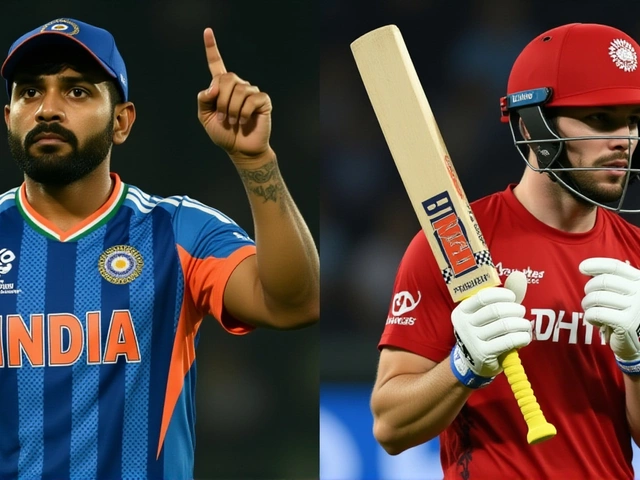
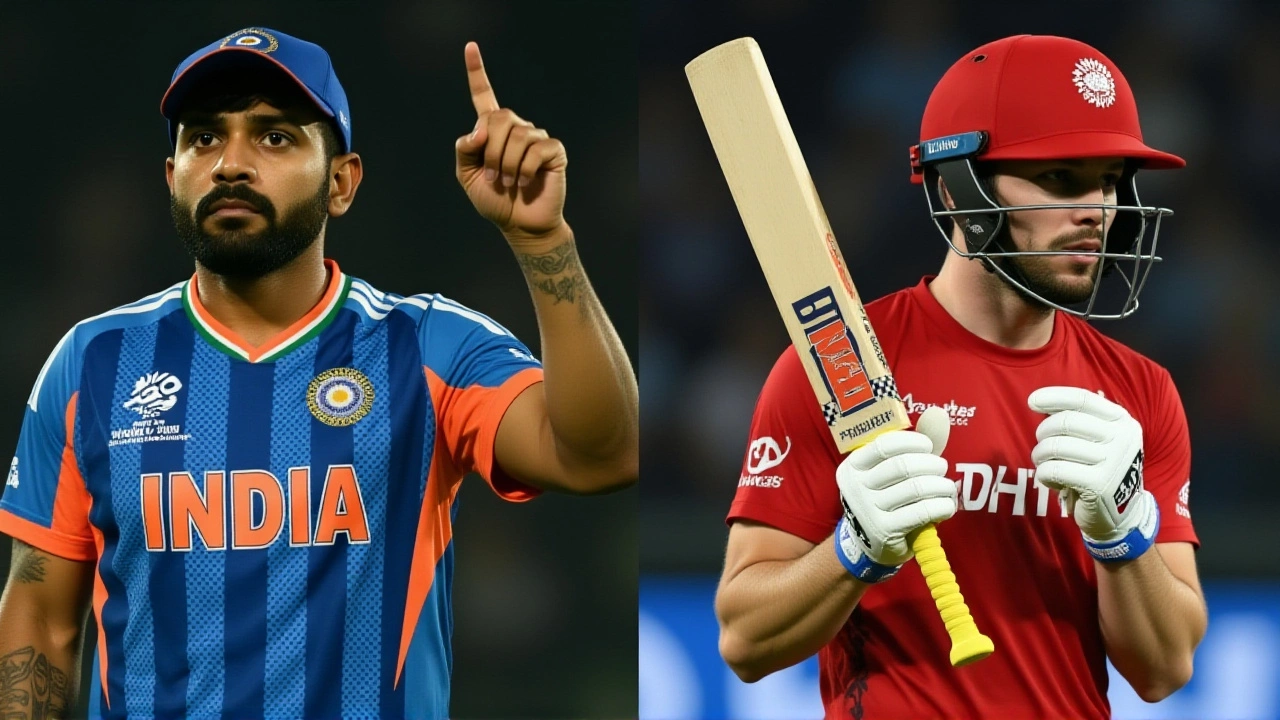
This semi-final isn’t just about weather; it’s a leadership test. On one side, you have Suryakumar Yadav, captain of India. Known for his innovative strokeplay and calm demeanor under pressure, SKY has built a reputation as a finisher. His ability to accelerate in the death overs makes him a nightmare for opposition bowlers.
Opposite him stands Harry Brook, captain of England. Brook brings aggressive intent and technical solidity. England enters this match riding a wave of momentum, having won three consecutive games in the Super-8 stage. Their form suggests they’re peaking at the right time.
The contrast in styles is fascinating. India often relies on building partnerships before exploding in the final six overs. England, meanwhile, tends to attack from the outset, trying to overwhelm the bowling attack early. Who adapts better to the Wankhede conditions? That’s the question keeping pundits awake tonight.
What If the Sky Opens Up?
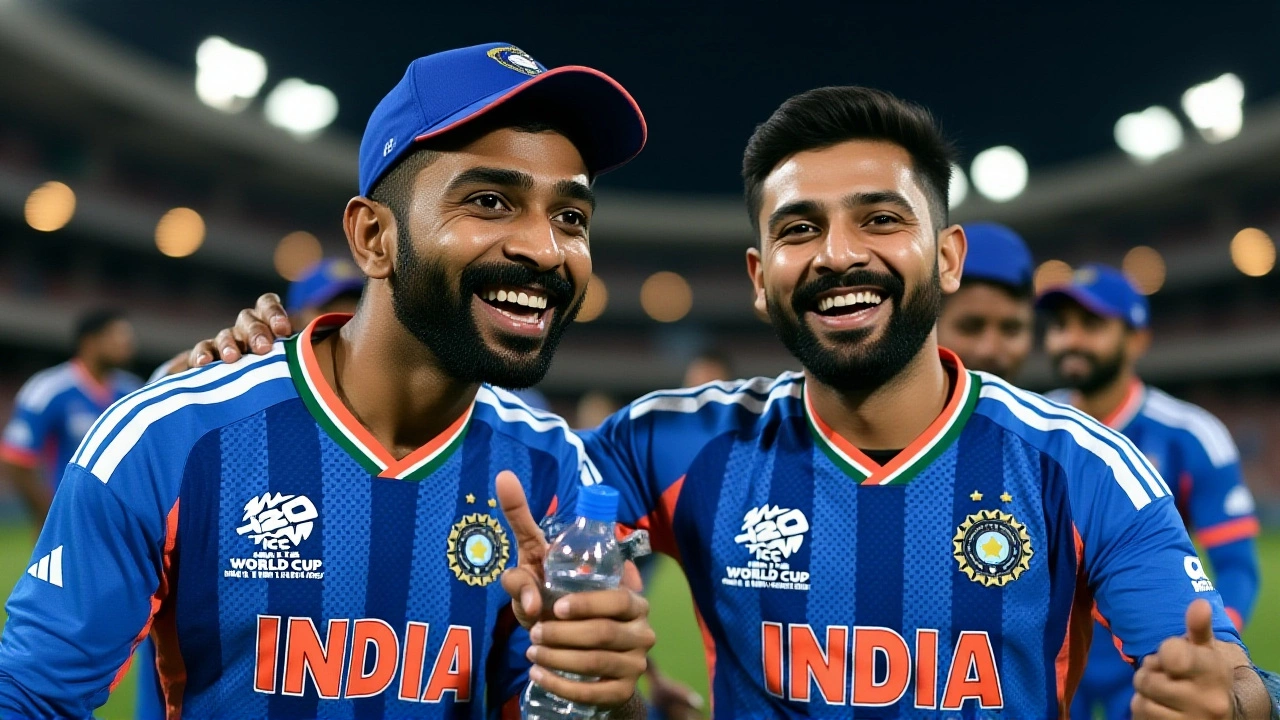
Even with clear skies, cricket never sleeps. The International Cricket Council (ICC) has prepared contingency plans. Friday, March 6, is designated as the reserve day. If rain prevents play on Thursday, the match shifts entirely to Friday. If play starts but gets interrupted, it resumes from where it left off on the reserve day.
But what if both days are washed out? Here’s the twist: the team with the better Super-8 performance advances to the final. Given England’s recent three-match winning streak, they hold a slight edge in tie-break scenarios. However, India’s overall tournament consistency keeps them firmly in contention. Neither team wants to rely on points tables—they want to win on the field.
Fan Experience and Logistics
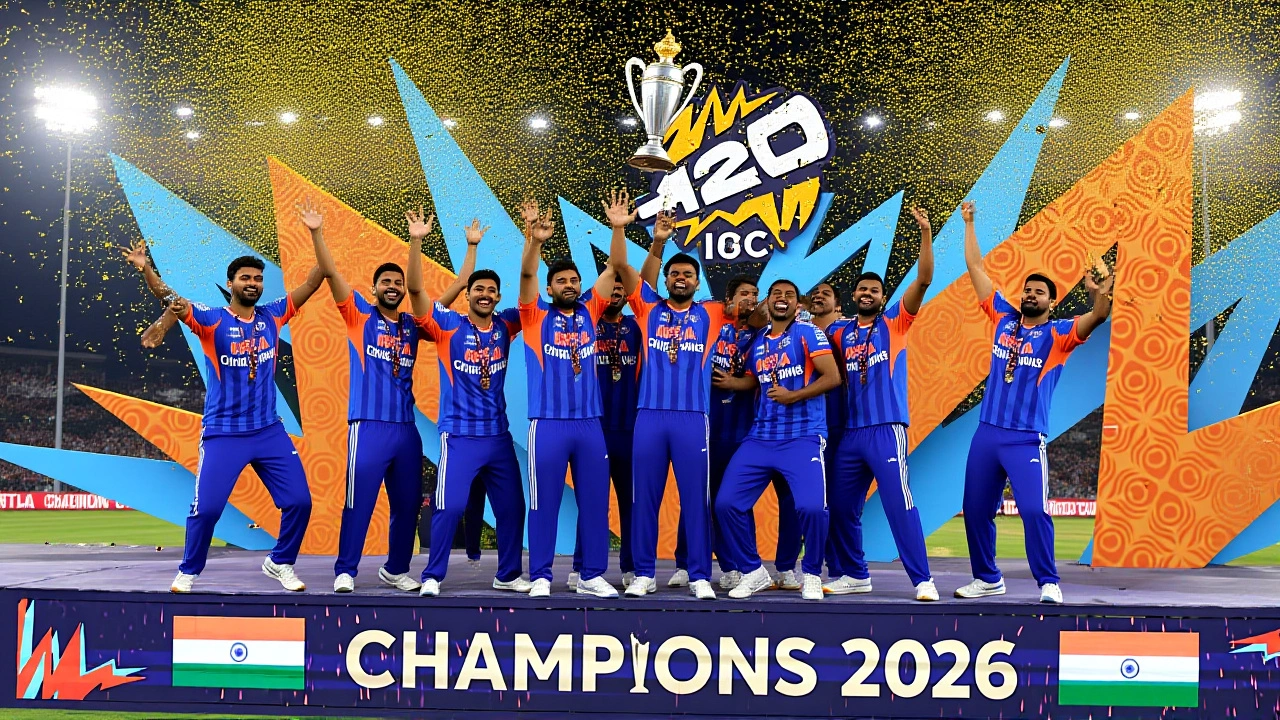
For those traveling to Mumbai, the city is buzzing. Hotels near Wankhede are booked solid, and local transport services have increased frequency to handle the influx. Security is tight, but organized. Expect long queues at entry gates, so arrive early. Food vendors are stocking up on traditional Maharashtrian snacks alongside international options—a true reflection of Mumbai’s cosmopolitan spirit.
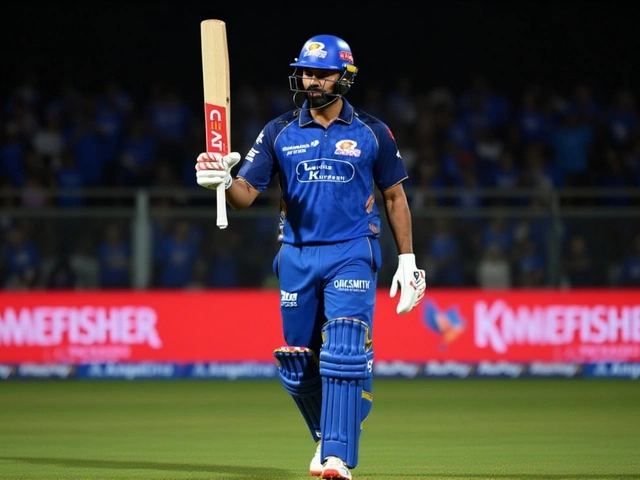
Inside the stadium, the atmosphere will be electric. Indian crowds are known for their vocal support, creating a wall of sound that can intimidate visiting teams. England players must mentally prepare for this sensory overload. Past matches at Wankhede show that home advantage here is real—not just statistically, but psychologically.
Frequently Asked Questions
Will there be any rain during the India vs England semi-final?
No, current forecasts from AccuWeather and the India Meteorological Department predict 0% chance of precipitation. Skies are expected to remain clear throughout the match on March 5, allowing for an uninterrupted game.
Who is leading the Indian and English teams?
Suryakumar Yadav captains India, while Harry Brook leads England. Both leaders bring distinct tactical approaches—SKY focuses on late-stage acceleration, whereas Brook emphasizes early aggression.
What happens if the match is affected by rain?
The reserve day is scheduled for March 6, 2026. If play cannot proceed on either day, the team with the superior Super-8 record advances to the final. England currently holds a strong position due to three consecutive wins in that stage.
What are the temperature and humidity expectations?
Temperatures will range from 28°C to 33°C during match hours. Humidity is expected to stay above 60% but may decrease slightly after sunset. Wind speeds between 9–29 km/h could assist fast bowlers early in the innings.
Where is the match being played?
The semi-final is hosted at Wankhede Stadium in Mumbai, Maharashtra. Known for its batting-friendly pitches and passionate crowds, it provides a challenging environment for visiting teams.